Joint Pain — Causes & Treatment
Also known as Joint Pain. Causes, symptoms and how physiotherapy treats Joint Pain — without surgery or medicines.
What Joint Pain feels like
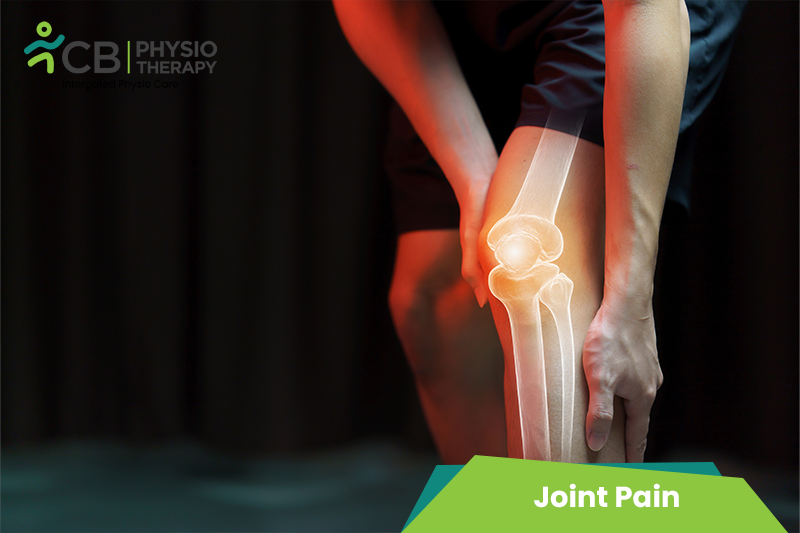
Joint pain — whether in one joint or several — is the body flagging that a joint\'s load and its capacity have fallen out of balance. In a single joint it usually means local overload, wear or injury. In several joints at once, especially with warmth, prolonged morning stiffness or fatigue, it can signal an inflammatory condition — which is why the pattern across joints matters as much as the pain in any one of them.
That fork in the road — mechanical or inflammatory — is decided early in a good assessment, because the two paths are managed differently. Both, however, share one truth: appropriately dosed movement is medicine for joints. Cartilage feeds on load, stiffness feeds on rest, and "protecting" painful joints with inactivity reliably makes them worse.
What could be behind Joint Pain
The usual suspects our physiotherapists screen for — finding the right one is what the assessment is for.
Arthritis →
One of the conditions our physiotherapists screen for when Joint Pain persists — see how it's treated.
Chondromalacia Patella →
One of the conditions our physiotherapists screen for when Joint Pain persists — see how it's treated.
Knee Bursitis →
One of the conditions our physiotherapists screen for when Joint Pain persists — see how it's treated.
Osteoarthritis →
One of the conditions our physiotherapists screen for when Joint Pain persists — see how it's treated.
Whiplash →
One of the conditions our physiotherapists screen for when Joint Pain persists — see how it's treated.
Rotator Cuff Injury →
One of the conditions our physiotherapists screen for when Joint Pain persists — see how it's treated.
Local overload or early wear
One joint aching with use and easing with rest — the mechanical pattern physiotherapy handles directly.
Inflammatory patterns
Several joints, warmth, morning stiffness beyond thirty minutes — needs a doctor's diagnosis alongside rehab.
Post-injury and post-immobilisation
Joints ache after casts, slings and long protection — stiffness masquerading as damage.
Deconditioning
The less joints move, the more they hurt to move — the loop that graded exercise is designed to break.
When to take Joint Pain seriously
If any of these fit, don't wait it out — get it assessed.
- ✓ Joint pain that has lasted more than two weeks
- ✓ Morning stiffness — note whether it outlasts thirty minutes
- ✓ Swelling, warmth or redness around a joint
- ✓ Several joints aching together, or with fatigue
- ✓ Pain limiting stairs, grip, walking or work
How we assess Joint Pain
Step by step — from what you feel to a clear cause and plan.
Pattern mapping
One joint or many, morning or evening, with use or at rest — the pattern decides the diagnostic road.
The mechanical/inflammatory fork
Screening separates the two; suspected inflammatory cases are referred for medical diagnosis while rehab continues safely.
Joint-by-joint testing
Range, strength, stability and irritability measured for each involved joint — the plan's raw material.
Dosed movement medicine
A graded program that loads joints enough to build capacity and never enough to flare them.
Your path to relief
- ✓ Mechanical vs inflammatory sorted early — no wasted months
- ✓ Less pain and stiffness through dosed, graded movement
- ✓ Strength that takes load off sensitive joints
- ✓ Coordinated care with your doctor where needed
- ✓ A long-term joint-health routine, not an endless course
When to seek urgent care
How CB Physiotherapy gets to the bottom of Joint Pain
Joint pain at CB Physiotherapy starts with the fork that matters: mechanical cases go straight into assessment-led rehab; suspected inflammatory cases are referred for medical diagnosis while safe, dosed rehabilitation continues alongside. Either way, movement is prescribed like medicine — specific, dosed and progressed.
Your joints\' range, strength and irritability are tracked on Fizo IQ™ so flare-ups inform the plan instead of derailing it. Clinic or home sessions available.
Get Joint Pain treatment near you
Certified physiotherapists at a clinic near you or at home — same-day slots, assessment-led care.
Request received!
We'll call you within 10 minutes to confirm your home visit.We'll call you within 10 minutes to confirm your slot.
Chat with us on WhatsAppJoint Pain, answered
1: Osteoarthritis: This is the most common form of arthritis, resulting from wear and tear on the joints over time.
2: Rheumatoid arthritis: An autoimmune condition where the immune system mistakenly attacks the joints, leading to inflammation and pain.
3: Gout: A type of arthritis caused by the buildup of uric acid crystals in the joints, commonly affecting the big toe.
4: Injury or trauma: Joint pain can occur due to fractures, sprains, strains, or other injuries affecting the joints.
5: Bursitis: Inflammation of the fluid-filled sacs (bursae) that cushion the joints.
6: Tendonitis: Inflammation of tendons, which are the tissues that connect muscles to bones.
7: Infections: Certain infections, such as septic arthritis or Lyme disease, can cause joint pain.
Risk factors that may contribute to joint pain include:
1: Age: The risk of joint pain increases with age, as the wear and tear on joints accumulate.
2: Obesity: Excess weight places added stress on joints, increasing the risk of joint pain and conditions like osteoarthritis.
3: Genetics: Some individuals may have a genetic predisposition to certain types of arthritis or joint-related conditions.
4: Previous joint injuries: Injuries to the joints, such as fractures or ligament tears, can lead to long-term joint pain or arthritis.
1: Maintaining a healthy weight: Excess weight places strain on joints, so maintaining a healthy weight reduces the risk of joint pain.
2: Regular exercise: Engaging in low-impact exercises, such as swimming or cycling, helps strengthen the muscles around joints, providing better support and reducing pain.
3: Protecting joints: Avoiding repetitive strain or overuse of joints, using proper techniques during physical activities, and using supportive devices (e.g., knee braces) can help prevent joint pain.
4: Balanced diet: Consuming a nutritious diet rich in fruits, vegetables, whole grains, and lean proteins supports joint health.
Treatment overview for joint pain depends on the underlying cause and severity of the pain. Common approaches include:
Medications: Over-the-counter pain relievers (e.g., acetaminophen, nonsteroidal anti-inflammatory drugs) can help manage mild to moderate joint pain. For severe pain or specific conditions, prescription medications may be necessary.
Injections: Corticosteroid injections or lubricating injections (e.g., hyaluronic acid) may be administered directly into the joint to reduce inflammation and relieve pain.
Surgery: In severe cases where conservative treatments fail, joint replacement surgery or other surgical interventions may be considered.
Cryotherapy: Cryotherapy involves the application of cold temperatures to the affected joint area. This can be done using ice packs, cold wraps, or localized cryotherapy machines. Cryotherapy helps reduce inflammation, numb pain, and decrease swelling in the joints. It is commonly used in acute injuries, such as sprains or strains. Cryotherapy can also be used in combination with other treatments to enhance their effectiveness.
Thermotherapy: Thermotherapy involves the application of heat to the affected joint area. This can be achieved through hot packs, warm towels, warm water baths, or heating pads. Thermotherapy helps increase blood flow, relax muscles, and relieve joint stiffness and pain. It is commonly used for chronic conditions like osteoarthritis or muscle spasms. Thermotherapy should be used with caution to avoid burns or excessive heat exposure.
Transcutaneous Electrical Nerve Stimulation (TENS): TENS involves applying low-intensity electrical currents to the skin using electrodes placed near the painful area. It helps to alleviate pain by stimulating the nerves and interfering with pain signals. TENS is often used for both acute and chronic joint pain.
Interferential Current Therapy (IFT): IFT involves the use of medium-frequency electrical currents that penetrate deeper into the tissues compared to TENS. It helps to relieve pain, reduce muscle spasms, and improve blood circulation. IFT is commonly used for joint pain and inflammation.
Electrical Muscle Stimulation (EMS): EMS uses electrical currents to stimulate muscle contractions. By activating the muscles around the joint, EMS helps to improve strength, stability, and joint function. It is often used as part of rehabilitation programs for joint pain and injuries.
Ultrasound Therapy: Although not strictly an electrical modality, ultrasound therapy uses sound waves to generate deep heat in tissues. This can help improve blood flow, reduce inflammation, and relieve joint pain. Ultrasound is often used in combination with other treatments for joint pain.
Laser Therapy (Cold Laser Therapy): Laser therapy involves the use of low-level laser beams to stimulate cellular activity and promote tissue healing. It helps reduce pain, inflammation, and swelling in the joints. The laser is applied directly to the skin over the affected joint. Laser therapy is often used in physiotherapy clinics as a non-invasive treatment for various joint conditions.
Shockwave Therapy (Extracorporeal Shockwave Therapy or ESWT): Shockwave therapy delivers high-energy acoustic waves to the affected joint area. It stimulates tissue regeneration, improves blood circulation, and reduces pain and inflammation. Shockwave therapy is commonly used for chronic conditions like plantar fasciitis, tendinopathies, and calcific tendonitis.
Pulsed Electromagnetic Field Therapy (PEMF): PEMF involves the use of electromagnetic fields to stimulate tissues and promote healing. It can help reduce joint pain, inflammation, and stiffness, and improve range of motion. PEMF devices are often used in clinical settings for joint-related conditions.
Therapeutic Exercises: Therapeutic exercises are an essential component of physiotherapy for joint pain. They aim to improve joint mobility, strengthen muscles around the joint, enhance stability, and restore normal movement patterns. Exercises may include range-of-motion exercises, stretching exercises, strengthening exercises, and functional exercises tailored to the specific joint and individual needs.
Manual Therapy: Manual therapy techniques involve hands-on manipulation and mobilization of the joints and soft tissues to improve joint mobility, reduce pain, and restore normal movement. Physiotherapists may use techniques such as joint mobilization, soft tissue mobilization, myofascial release, trigger point therapy, and manual stretching to target specific areas and address joint pain.
Taping and Bracing: Physiotherapists may use taping techniques or recommend the use of braces or supports to provide stability and support to the affected joint. Taping can help alleviate pain, improve joint alignment, and prevent further injury.
Education and Self-Management: Physiotherapists provide education on self-management strategies to empower individuals to take an active role in their recovery. This may include advice on posture, body mechanics, ergonomic principles, activity modification, and home exercises for ongoing self-care.
Functional Training: Functional training involves exercises and activities that mimic specific tasks or movements relevant to an individual's daily life or sports activities. This approach aims to improve joint function, enhance coordination, and promote functional independence.
Don't let Joint Pain decide your day.
Get assessed today — find the cause, get a plan, and know when you'll feel better.